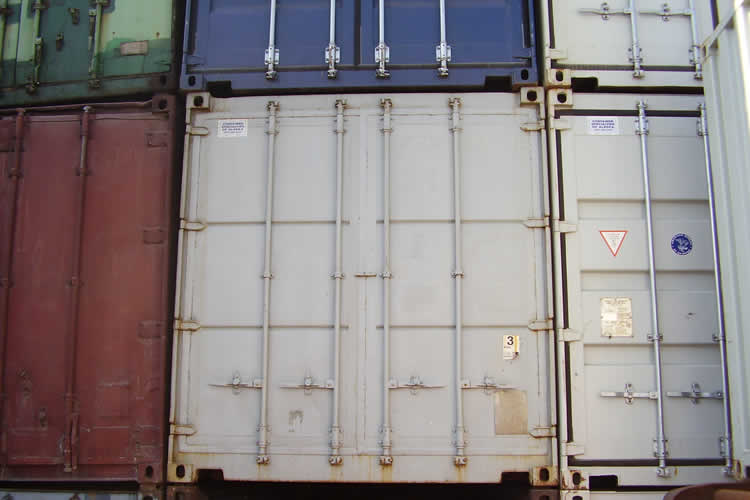
Winterizing Your Fleet
Essential Maintenance Tips for Container Longevity in Alaska
Published October 2026
By: Container Specialties of Alaska, Inc.
In Alaska, winter is more than a seasonal inconvenience; it is a significant operational challenge. Extreme temperatures, heavy snowfall, freezing rain, and prolonged exposure to moisture can all affect the condition and performance of shipping containers. Whether a container is being used for industrial storage, construction equipment, commercial inventory, or a remote field operation, proactive winter maintenance is essential for protecting both the container and its contents.
Shipping containers are engineered to withstand demanding transportation environments, but even these durable steel structures require regular inspection and maintenance. Preparing a container before winter arrives can help prevent costly repairs, minimize moisture-related damage, and extend its usable lifespan.
From maintaining door seals to managing snow accumulation and interior condensation, understanding the fundamentals of container winterization helps businesses throughout Alaska keep their assets functional during the coldest months of the year.
Understanding Container Construction and Winter Maintenance Terminology
Before developing a winter maintenance plan, it is helpful to understand several important materials and environmental factors that affect shipping container performance:
- COR-TEN Steel: A type of weathering steel commonly associated with shipping container construction. It is designed to develop a protective surface patina that helps resist atmospheric corrosion. However, prolonged moisture exposure, standing water, and damaged protective coatings can still contribute to rust and structural deterioration.
- EPDM Gaskets: Ethylene propylene diene monomer rubber seals commonly used for weather-resistant applications. Container door gaskets help limit the entry of water, snow, dust, and outside air when the doors are properly closed.
- Snow Load: The downward force exerted by accumulated snow and ice on a structure. Heavy or uneven snow accumulation can place additional stress on a container roof, particularly when drainage is obstructed.
- Container Rain: The accumulation and dripping of interior condensation, typically caused when warm, moist air contacts cold steel surfaces. This moisture can damage stored inventory, packaging, equipment, and interior finishes.
Inspecting and Preventing Corrosion
Shipping containers are built from durable steel, but corrosion remains one of the most important long-term maintenance concerns, particularly in areas exposed to coastal moisture, road salt, or repeated freeze-thaw cycles.
Before winter, inspect the container's exterior surfaces for scratches, chipped paint, rust spots, and areas where moisture may collect. Pay particular attention to the roof, corner posts, door frames, bottom rails, and any locations where modifications have been made.
Although weathering steel offers corrosion resistance under suitable conditions, it is not immune to rust. Areas with persistent moisture or damaged coatings may deteriorate if left untreated.
Addressing minor corrosion early can help prevent more extensive damage. Depending on the condition of the surface, maintenance may involve removing loose rust, cleaning the affected area, applying an appropriate primer, and restoring a protective coating.
Routine exterior inspections are especially important for containers used near saltwater or in locations where snow and ice remain against steel surfaces for extended periods.
Maintaining Door Seals and Weatherstripping
A shipping container's doors are among its most frequently used components, and their weather seals play a critical role in keeping the interior protected from winter conditions.
Rubber door gaskets can become damaged, compressed, or less flexible over time. During freezing temperatures, compromised seals may allow snow, melting ice, and moisture to enter the container.
Before winter arrives, inspect all door gaskets and weatherstripping for cracks, tears, gaps, or signs of deterioration. Verify that the doors close properly and that the locking bars, hinges, and other hardware operate smoothly.
Important maintenance steps include:
- Inspect Door Gaskets: Check the full perimeter of each door for damaged or missing sealing material.
- Check Door Alignment: Ensure both doors close securely without excessive force or visible gaps.
- Maintain Moving Components: Clean and lubricate hinges, locking rods, and other mechanical hardware with products suitable for the expected temperatures.
- Remove Snow and Ice: Keep doorways clear so accumulated snow and ice do not interfere with access or damage sealing surfaces.
- Replace Damaged Seals: Address worn or deteriorated weatherstripping before moisture intrusion becomes a recurring issue.
Properly maintained door hardware and weather seals help protect stored materials while reducing the risk of frozen or difficult-to-operate doors.
Managing Snow Loads and Roof Drainage
Alaska's substantial winter snowfall creates additional maintenance responsibilities for businesses using shipping containers as storage or operational infrastructure.
Although cargo containers are built to withstand demanding transport conditions, their roofs are not intended to support unlimited or highly concentrated snow loads. Heavy accumulation, drifting snow, or ice buildup can create structural concerns if left unmanaged.
Inspect the roof periodically for excessive snow accumulation, standing water, dents, or areas where drainage is obstructed. Containers with roof-mounted equipment, added structures, or previous modifications may require additional attention.
When snow removal is necessary, use methods that avoid damaging the roof's protective coating or placing workers at unnecessary risk. Do not assume a container roof is safe to walk on without an appropriate assessment.
It is also important to keep surrounding drainage paths clear. Melting snow should be directed away from the container foundation rather than allowed to pool around the lower structural components.
Preventing Interior Condensation and Container Rain
One of the less visible winter maintenance challenges is interior condensation, often referred to as container rain.
When relatively warm, humid air inside a container contacts cold steel walls or ceilings, moisture can condense on those surfaces. Over time, the accumulated water may drip onto stored materials or collect in areas with limited airflow.
This problem is particularly concerning when storing cardboard packaging, documents, electronics, tools, textiles, or other moisture-sensitive inventory.
Several approaches can help manage interior moisture:
- Ventilation: Provide appropriate airflow to help manage moisture buildup when outdoor conditions permit.
- Insulation: Properly designed insulation systems help limit contact between warm interior air and cold steel surfaces.
- Moisture Control: Depending on the container's use, desiccants, dehumidification equipment, or other humidity-control measures may be appropriate.
- Storage Practices: Keep sensitive goods elevated off the floor and allow space for air circulation around stored materials.
- Routine Inspections: Check ceilings, walls, corners, and stored inventory for evidence of condensation or water damage.
Proper moisture management is essential for containers used as long-term storage facilities, particularly when temperatures fluctuate significantly between daytime and nighttime.
Climate Control for Modified and Refrigerated Containers
Containers converted into offices, cabins, bathrooms, kitchens, and other occupied facilities require additional winter preparation because they contain electrical, plumbing, heating, and ventilation systems.
Heating equipment should be inspected and maintained before cold weather arrives. Insulation, weather seals, and ventilation systems should also be checked to ensure they are functioning as intended.
For modified containers with plumbing, water lines, fixtures, drains, and storage tanks must be appropriately protected against freezing. Depending on the installation, this may involve insulation, heat tracing, maintaining interior temperatures, or winterizing systems that will not remain in operation.
Refrigerated shipping containers, commonly called reefers, also require maintenance specific to their mechanical systems. Inspecting door gaskets, refrigeration equipment, power connections, and operating controls helps support reliable temperature management.
Because reefer units rely on specialized equipment, maintenance should follow the manufacturer's recommendations and account for the temperature requirements of the materials being stored.
Preparing the Ground and Surrounding Site
Container winterization extends beyond the steel structure itself. The ground beneath the container and the surrounding work area can significantly affect long-term performance.
Containers should be placed on suitable, stable surfaces that provide appropriate support and drainage. Uneven settling or frost-related ground movement can contribute to door alignment problems and place unnecessary stress on the container structure.
Before heavy snowfall, inspect the site to ensure water can drain away from the container. Keep access paths, doors, and necessary service areas clear of snow and ice.
For remote job sites, consider how winter road conditions and snow accumulation might affect future container relocation, inspections, or emergency access.
Planning ahead can help prevent avoidable logistical complications when conditions become more difficult later in the season.
Protecting Your Container Investment
A well-maintained shipping container can provide years of dependable service, but Alaska's climate demands a proactive approach to asset protection.
Regular inspections, corrosion prevention, properly maintained weather seals, snow management, and interior moisture control all contribute to preserving the container's structural condition and protecting its contents.
For businesses operating across Alaska, having access to experienced container specialists can also simplify maintenance, modification, and relocation planning.
Container Specialties of Alaska, Inc. is an Alaskan family-owned and operated business providing shipping container sales, leasing, modifications, and specialized transportation services. With decades of experience serving businesses throughout the state, our team understands the demands of maintaining reliable container infrastructure in challenging environments.
Whether you need an additional storage container, a customized unit for winter operations, or assistance with transporting existing equipment, we're here to help you find a practical solution.
Contact Us Today To Start Your Project!
Container Specialties of Alaska, Inc. – Your Partner in Innovative, Durable Container Modifications.